Gen2 technology
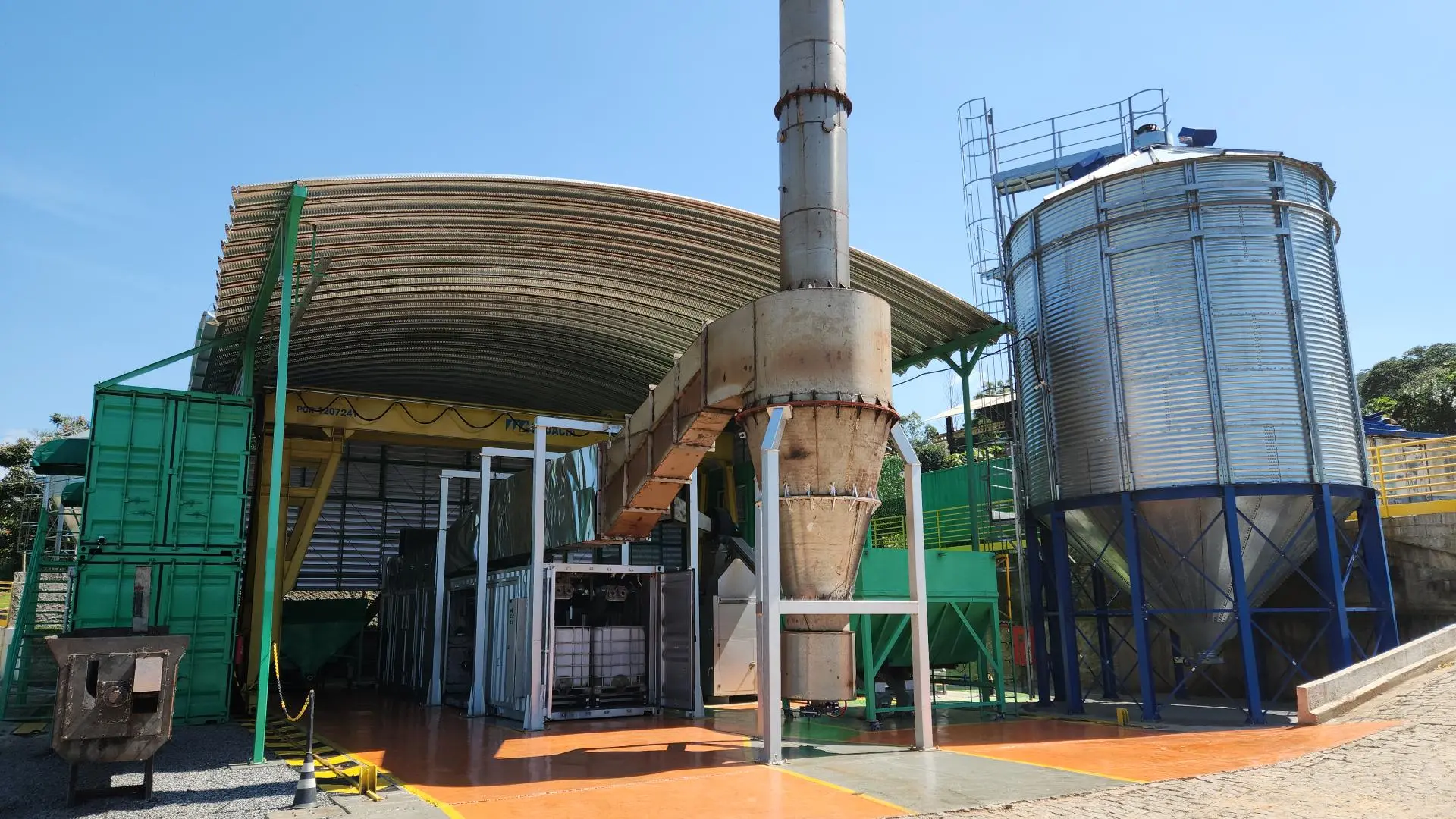
NetZero's second-generation (Gen2) technology represents a significant step forward from our current equipment. Designed based on five years of operations and field learnings in Brazil, Gen2 delivers greater energy efficiency, higher operational reliability, faster installation, and lower production costs.
The first Gen2 unit is being deployed in 2025–2026, with start of operations scheduled for 2027. All new NetZero One sites will use Gen2 technology.
Technology is only one brick of our NetZero One offer. If you haven't already, read about the full model.
What makes our technology stand out
Engineered to the highest HSE standards, with automated safety interlocks, detailed O&M protocols, and a documented emergency shutdown procedure to ensure safe operations at all times.
Unlike batch systems, our technology operates continuously, maximising throughput and delivering consistent biochar quality around the clock.
Designed for industrial-grade uptime with redundant subsystems and predictive maintenance protocols that minimise unplanned downtime and keep production on schedule.
A PLC-based control system continuously monitors and adjusts all process variables in real time, ensuring optimal performance with minimal manual intervention.
Syngas generated during pyrolysis is reused as fuel to sustain reactor temperature, making the process thermally self-sufficient with no external energy input required.
The closed combustion loop eliminates methane and N₂O emissions, ensuring the only greenhouse gas released is CO₂ and maximising the net climate benefit of every tonne produced.
Each production unit is a self-contained module that can be installed, replicated, or relocated with minimal civil works, giving full deployment flexibility.
Multiple units can run in parallel at a single site, allowing capacity to be precisely matched to available biomass volumes and expanded as operations grow.
From feedstock sourcing to deployment, the system is designed to minimise lifecycle emissions, ensuring the highest net carbon removal per tonne of biochar produced.
The reactor accepts a wide range of agricultural residues and biomass types, giving partners the flexibility to use locally available feedstocks and reduce logistics costs.
The reactor is designed for durability and ease of servicing: wear parts are limited, accessible, and straightforward to replace, keeping scheduled maintenance intervals long and unplanned repairs rare.
A single operator can oversee multiple units thanks to the high level of automation and the real-time monitoring platform, reducing the headcount needed per site and lowering operating costs.
Hardware and software, co-designed
Most industrial equipment comes as a box. Ours comes with the brain built in. Our control and monitoring software is developed in-house, in parallel with the reactor — because you cannot optimise what you cannot observe.
The reactor
Our Gen2 pyrolysis unit is the product of five years of field iteration in Brazil. Every component is designed for reliability, safety, and ease of maintenance in remote agricultural settings.
The platform
Our proprietary control and monitoring software runs alongside every unit. It tracks process variables in real time, flags anomalies before they become failures, and generates the data trails required for carbon certification.